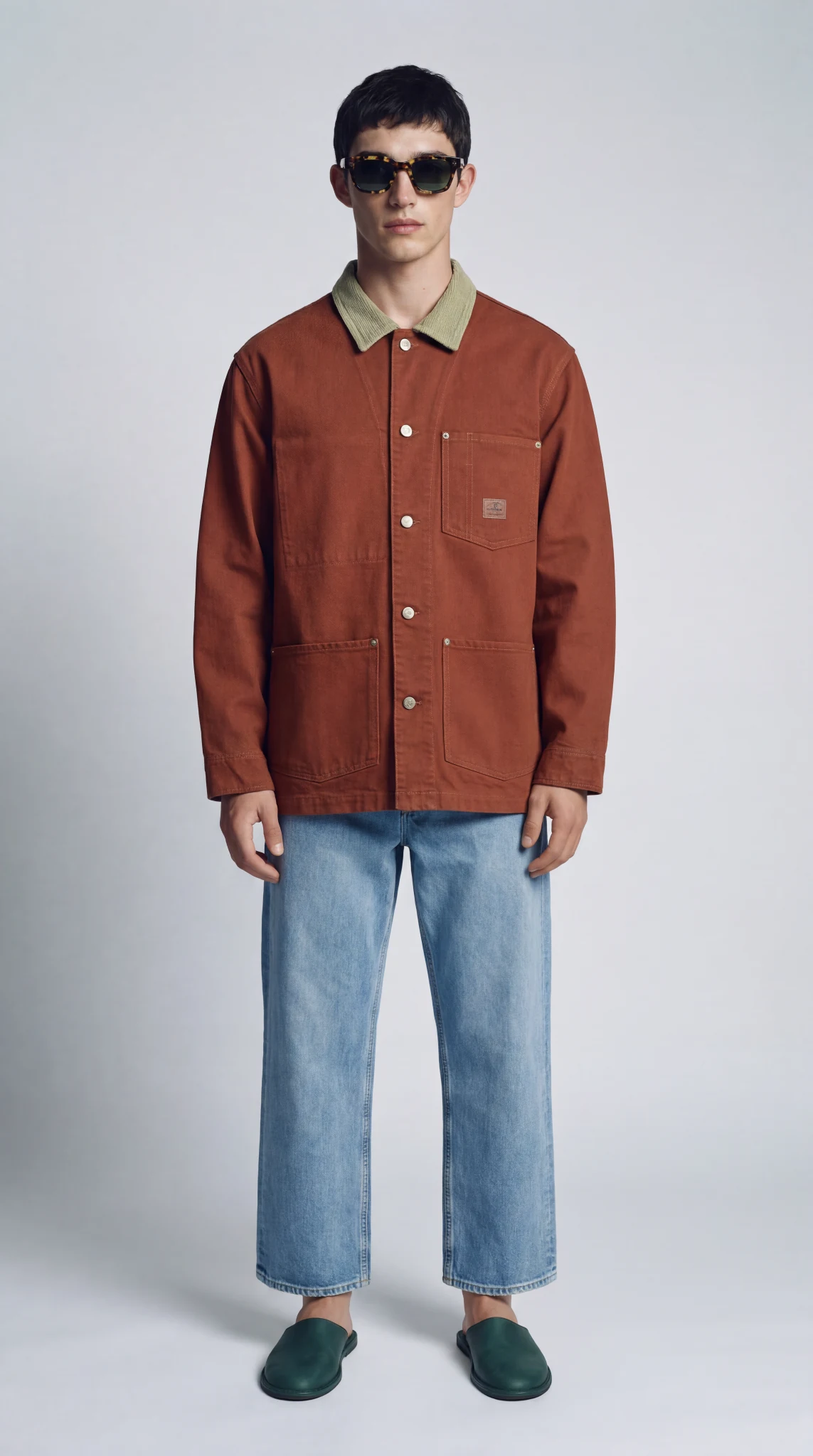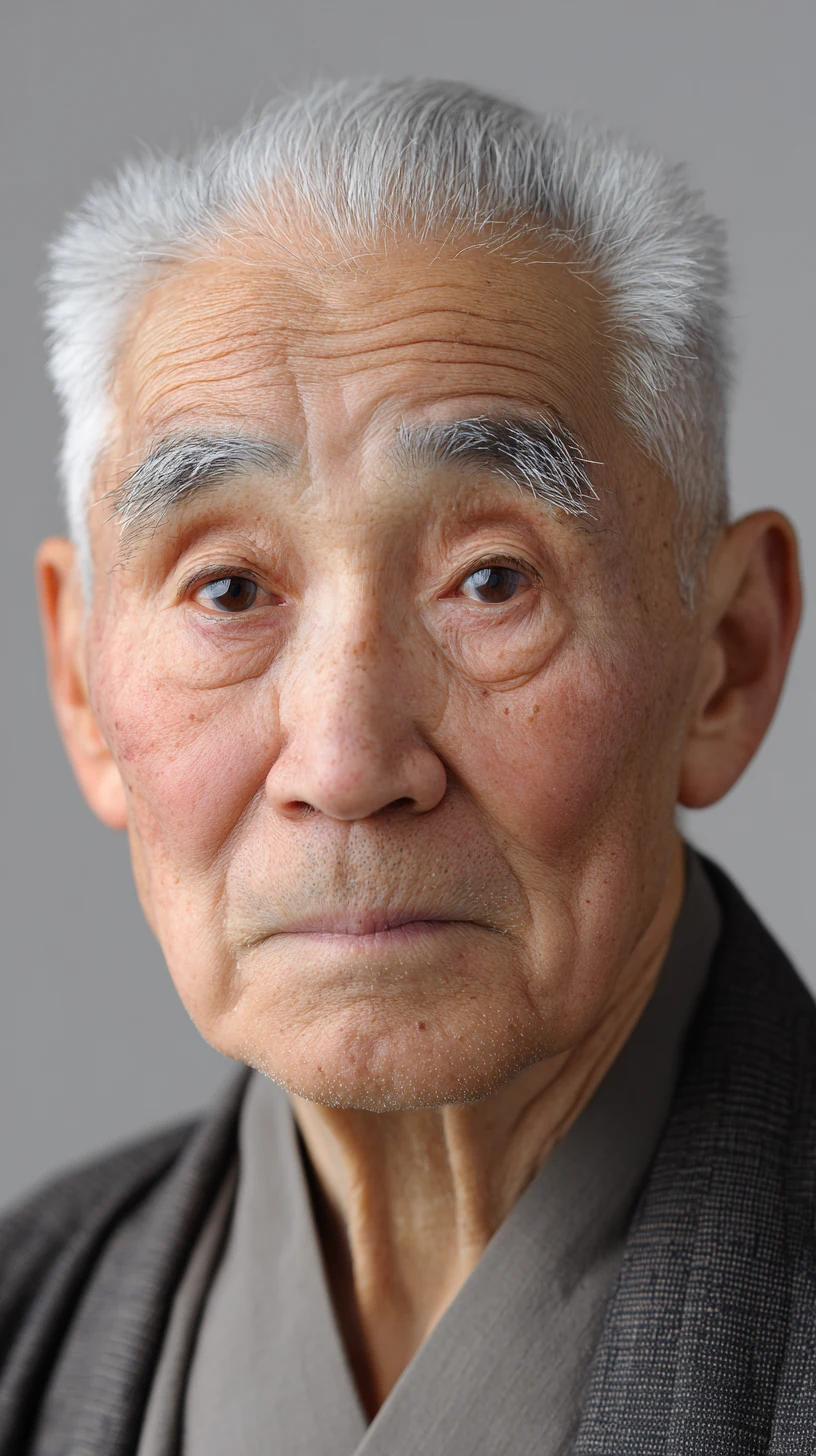

To hook viewers in the first two seconds of an AI video ad, you have to direct their eye before they decide to scroll. There are four reliable ways to do it: let only one thing move in a still frame, open tight on a face, start in the middle of the action, or show something the viewer can't identify yet. These aren't social media tricks. They are film techniques directors have used for a hundred years, and they work in any AI video model because they are decisions about framing and movement, not features of a tool.
Key takeaways
- The first frame of an ad does the job a film's opening shot does, in a fraction of the time.
- Research on both films and ads points the same way: viewers look at movement, faces and tight framing first.
- The four hooks are: one thing moves, the face, start in the middle, and the question.
- In AI video, simple openings are also the most reliable to generate. A locked camera with one movement is harder to get wrong than a busy wide shot.
- Judge your generations on the first frame alone, before you watch the rest.
What is a visual hook?
A visual hook is the first image of a video, designed to hold attention before any words, text or story arrive. In film it is the opening shot. In advertising it is the first one or two seconds. A good visual hook does two jobs at once: it stops the viewer, and it promises something about what comes next.
The second job is easy to forget. A random explosion stops the scroll. An opening that also tells you this is a premium coffee brand, or a story about a father and a son, stops the scroll and keeps the right people watching.
Why do the first two seconds decide whether anyone sees your ad?
A feature film gets a whole opening shot to make its promise. The audience has paid, the lights are down, and nobody is going anywhere. An ad in a feed gets about two seconds before the thumb moves. The job is the same. The time is not.
What I find interesting is that film researchers and advertising researchers, working completely separately, ended up describing the same thing.
What the film research shows
In 2008, a team led by neuroscientist Uri Hasson scanned people's brains while they watched different clips. During an episode of Alfred Hitchcock Presents, over 65 percent of the cortex responded the same way across viewers. During unedited footage of a park, it was less than 5 percent. Their finding was that the more tightly a film is directed and edited, the more alike viewers' brains respond to it, moment by moment. A Sergio Leone film landed in between at 45 percent.
Eye tracking tells the same story at the level of the eye. Psychologist Tim Smith tracked where viewers looked during a scene from There Will Be Blood and found that most people looked at the same spot at the same time. What pulled them there was movement. In his words: "moments of attentional synchrony can be predicted by points of motion within an otherwise static scene."
In plain words: when a frame is still and one thing moves, everyone looks at the thing that moves. That is the most useful sentence in this whole post.
What the ad research shows
Google analysed thousands of YouTube ads with Ipsos to find what keeps people watching. Their ABCD guidelines for the first five seconds say to use tight framing on people or product, open with people on screen if the ad features any, use surprising or unexpected images early, and get to more than two shots in the first five seconds.
Every one of those is a film technique. Tight framing is the close-up. People on screen early is the face. Surprising images are what a director calls an opening that raises a question. The ad industry tested thousands of ads and found what directors already knew.
What are the four ways to hook viewers in the first two seconds?
To make the four directly comparable, I'm using the same brief for all of them: a 15 second ad for a small-batch coffee roaster. Same product, same audience, four different openings. Each one comes with a prompt you can copy and adapt.
1. One thing moves
What it is: a locked-off frame where everything is still except one element. Steam rising from a cup. A hand entering the frame. A curtain lifting in the wind.
Why it works: it is exactly what the eye tracking research describes. The eye goes to motion. If only one thing moves, you decide where every viewer looks.
Best for: premium products, calm brands, anything that should feel considered rather than loud.
Why it suits AI: a locked camera removes the hardest variable. The model only has to get one movement right, so it is the most reliable opening to generate.
Extreme close-up of a matte black ceramic cup on a dark oak counter, camera locked off on a tripod, zero camera movement. A single thread of steam rises from the coffee and curls slowly through a narrow shaft of early morning light from a window on the left. Nothing else in the frame moves. Deep shadows, shallow depth of field, fine film grain.
Where it breaks: if the model adds drift or shake to a "static" shot, say it twice in different words, like "locked off on a tripod, zero camera movement". And if the movement is too small to read on a phone, make it bigger or move the camera closer.
2. The face
What it is: opening tight on a person. Not a person in a room. A face that fills a good part of the frame.
Why it works: faces are what humans look at first, before almost anything else in a frame. Google's guidelines say the same from the ad side: if your ad has people in it, open with them, not three shots later.
Best for: any ad built around a feeling, a character or a customer. Fashion, beauty, lifestyle, anything human.
Why it suits AI: a close-up gives the model's detail to the skin, the eyes and the expression, which is where the performance lives. Write what the face physically does, not what the person feels. I go deeper into this in how to direct emotion in AI video.
Close-up of a woman in her sixties at a kitchen window at dawn, holding a black ceramic cup in both hands just below her chin. Her eyes are closed as she breathes in the steam. Her shoulders drop slightly, then her eyes slowly open and soften. Soft window light from the left, deep shadow on the right side of her face, visible skin texture, camera locked off.
Where it breaks: a beautiful face doing nothing is a portrait, not a hook. Something has to happen in those two seconds, even if it is only a breath and a look.
3. Start in the middle
What it is: skipping the build up and opening while the action is already happening. Directors call it a cold open.
Why it works: it drops the viewer into a question they want answered. Mission: Impossible III opens with Ethan Hunt handcuffed to a chair while the villain counts to ten with a gun to his wife's head. No context, no setup. You stay because you need to know how we got here.
Best for: products with a strong moment of use. The pour, the zip, the first step out of the door, the first bite.
Why it suits AI: you don't need a sequence of setup shots that all have to match. You generate the moment itself.
Tight side angle of fresh coffee already being poured from a copper kettle into a black ceramic cup, the stream thick and glossy, the cup almost full. Camera locked off at cup height. The surface swirls as the stream lands. Warm morning light from behind the cup catches the edge of the stream. Dark background, shallow depth of field.
Where it breaks: "in the middle" still needs a clear subject. If the action is chaotic, the eye has nowhere to land and you are back to a busy frame.
4. The question
What it is: an extreme close-up of something the viewer can't place yet. A texture, a reflection, a pattern. The next shot answers it.
Why it works: curiosity. People keep watching to find out what they are looking at. Google's guidelines call these surprising or unexpected images. Directors call it withholding.
Best for: products with interesting materials or processes. Coffee, watches, cosmetics, fabric, anything that looks strange up close.
Why it suits AI: macro detail is something AI does very well, and an abstract frame has no faces or hands to get wrong.
Macro shot looking straight down at the surface of freshly brewed coffee, filling the whole frame so the cup is not visible. Pale golden crema slowly drifts and folds into dark brown in marbled patterns, like a satellite image of a river delta. Camera locked off. Soft overhead light, rich texture, no other objects in frame.
Where it breaks: the answer has to arrive quickly. Two seconds of mystery is a hook. Six seconds is confusion.
Which hook should you use for your ad?
| Hook | Best for | What it promises | Risk in AI |
|---|---|---|---|
| One thing moves | Premium, calm, considered brands | Quality, attention to detail | Unwanted camera drift |
| The face | People, feelings, lifestyle | A story about someone like you | Expression that feels flat |
| Start in the middle | Products with a strong moment of use | Energy, the product in action | Busy frame, nowhere to look |
| The question | Interesting materials and processes | Discovery, craft | Mystery that lasts too long |
If you are not sure, start with one thing moves. It is the simplest to prompt, the most reliable to generate, and very hard to scroll past.
How do you write an opening shot prompt that holds up?
The prompts above all follow the same structure. It works across Seedance, Kling, Veo and most current video models:
- Shot size first. Extreme close-up, close-up, tight side angle. This sets how much detail the model gives the subject.
- One subject. The cup, the face, the pour. Not the cup and the barista and the café.
- One movement. Name the single thing that moves, and say that everything else is still.
- The camera. Usually locked off for an opening. Creative Tim's Seedance prompt cheatsheet warns that "fast" camera plus fast subject plus a busy scene is where jitter comes from. More on which moves hold up in AI video camera movements.
- The light. A real light source with a direction. Morning light from a window on the left is a decision. "Cinematic lighting" is not. See how to prompt light in AI images and video.
- What the frame leaves out. Dark background, no other objects. Telling the model what not to show is part of directing the eye.
Two more things make a big difference:
- Start from an image when you can. Generate or edit the first frame as a still until it is exactly right, then animate it. You control the composition before you spend video credits. If a person appears in more than one shot, build their reference images first, as in how to keep a character consistent across AI video shots.
- Judge the first frame on its own. Before watching a generation, pause on frame one at phone size. If that single frame doesn't hold you, the clip won't either.
What mistakes kill an AI ad opening?
- The fade in. Two seconds of black or a logo card is two seconds nobody sees.
- The wide establishing shot. It works in a cinema. In a feed it reads as nothing happening.
- Everything moving at once. Camera move, subject move and a busy background in the same shot give the eye nowhere to land.
- Text doing the work. Text on screen can help, but if the image only works with the caption, the image isn't directing anything yet.
- A hook that promises the wrong thing. A shock opening for a calm, premium brand stops the scroll and attracts the wrong viewer.
- Building the opening last. Most people generate the ad in order and accept whatever first shot they end up with. Plan the opening first. It is the shot that decides whether the rest gets seen.
- Judging on a big screen. Your viewer is on a phone. Check every opening at phone size.
Checklist before you publish
- Can you name the one thing the viewer looks at first?
- Is the subject readable at phone size in the very first frame?
- Is only one thing moving, or is the movement at least clear?
- Does the opening promise something true about the brand?
- Does it work with the sound off?
- Does the second shot pay off what the first one set up?
FAQ
How long should the hook of an AI video ad be? Plan the first two seconds as one deliberate shot. Google's own guidance talks about the first five seconds, but in a mobile feed people decide faster than that.
Should I put my logo in the first seconds? Introduce the product or brand early, but as part of the image, not as a logo card. A tight shot of the product does both jobs at once.
Do these hooks work in Seedance, Kling and Veo? Yes. They are framing and camera decisions, not model features, so they work in any model that follows camera language. Locked-off framing and close-ups are among the most reliable things to generate.
What is the easiest hook to start with? One thing moves. A locked camera and a single movement is simple to prompt, reliable to generate, and backed by the eye tracking research.
Should the hook have text on screen? It can, but test the opening without it first. If the image holds attention on its own, text adds to it. If it doesn't, text is covering for a weak shot.
Can I use these hooks for organic posts and reels, not just ads? Yes. The first two seconds of a reel do exactly the same job as the first two seconds of an ad.
Sources
- Hasson et al., Neurocinematics (2008), as reported by ScienceDaily: "Neurocinematics: Brain Activity While Watching Movies"
- Tim Smith's eye tracking study of There Will Be Blood, as discussed on RogerEbert.com and in David Bordwell's "Watching you watch There Will Be Blood"
- Google, "ABCDs of effective video ads" and the YouTube ABCD reference guide
- Seedance prompt guidance on camera movement and jitter (Creative Tim Seedance cheatsheet)
Want to direct AI video like this?
AI Unchained is my community for marketers, brand owners and filmmakers who want to direct AI video, not just prompt it. Every week we break down a film technique and put it into practice, there are three live calls a week, members get our prompt GPTs, and I reply to every piece posted in the Cinema Room the same day.
Running a brand or a content team? I also run in-company AI video workshops, so your team learns to make ads and social content in house.